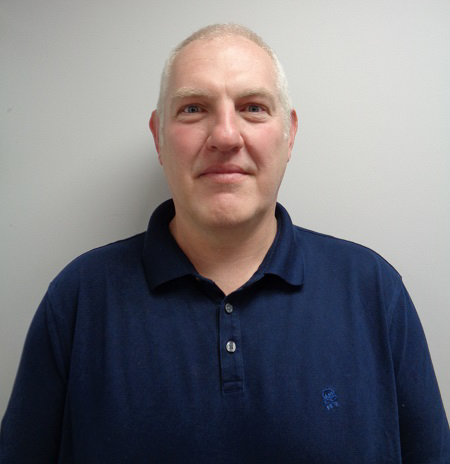




Dr Simon Thomas, Co-Founder and CEO of Paragraf, recently joined Adopter’s Scaling Green-Tech podcast to discuss the journey of building the world’s first graphene foundry – and what it took to turn a university breakthrough into a commercial-scale semiconductor business.
Speaking with Adopter’s Katherine Keddie and Matt Jaworski, Simon traced Paragraf’s path from a Cambridge University spin-out to a company that has raised over $150 million across seed, Series A, B, and C rounds, culminating in the opening of its first graphene foundry in Huntingdon at the end of 2025.
Graphene – a single layer of carbon atoms – has been one of the most promising materials in electronics since its isolation in 2004. Over $2 billion was invested by Samsung alone in attempts to commercialise it, and the material developed a reputation for underdelivering. Paragraf’s core breakthrough was developing a method to produce high-quality graphene directly on substrates compatible with standard semiconductor manufacturing equipment – solving the “lab to fab” challenge that had stalled the industry for nearly two decades.
Simon described the moment that changed the company’s trajectory: in December 2025, Paragraf processed its first six-inch wafers of graphene devices through a full semiconductor production line, with devices yielding on the first run. That milestone has shifted the company from having to push the graphene narrative to investors and partners approaching them directly.
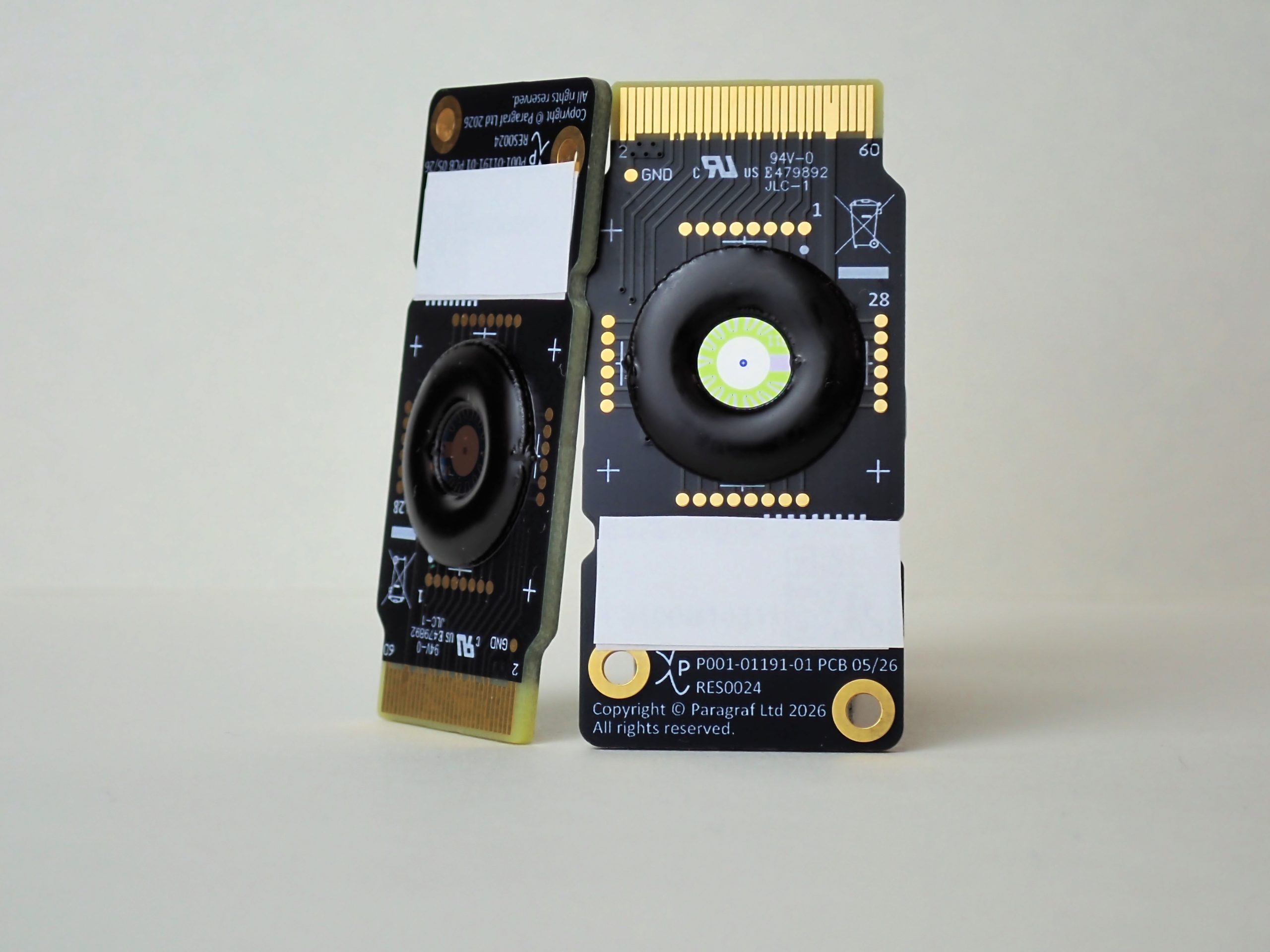
The conversation covered significant commercial ground. Paragraf’s graphene devices are approximately 150 times more conductive than silicon equivalents and consume up to a thousand times less power. Simon outlined application areas spanning medical diagnostics, where a graphene chip can detect potassium in blood from a single drop in 20 seconds, through to next-generation EV batteries, magnetic sensors for automotive, PFAS detection, and early-stage work on solar cells.
On the commercial strategy front, Simon shared Paragraf’s approach of targeting mid-level companies agile enough to adopt new technology quickly, rather than pursuing long qualification cycles with the largest incumbents. The company is expanding globally, with subsidiaries now in San Diego, Shanghai, and Abu Dhabi, and is positioning itself as a foundry partner – working with customers to design and manufacture graphene-based devices rather than selling a single product line.
The episode also explored the cultural differences in marketing and fundraising across the UK, US, and Asia, and the persistent challenge of overcoming scepticism toward a material that many investors had written off.
Listen here: www.adopter.net/podcast/episode-22-dr-simon-thomas-bringing-graphene-into-electronics-at-commercial-scale